



ESSV Log in
Book my call

Hospitality

Restaurant software, all in one

Bookings, orders, QR menu and till for your restaurant, in one place.

Book my call

Tell us what you repeat every week and we will tell you what can run by itself. 25 minutes, free, no obligation and no lock-in.

21 solutions for your restaurant
87 tools on a single platform

Six places where a restaurant loses money.

  1. BAI

    When you write the menu, the dish with no margin

    Made for your restaurant

    The pantry works out its recipe costing and its allergens, and warns you before it runs out.

    See the solution: Recipe costing and stock
  2. BAI

    When you change a price, another menu to the printer

    Made for your restaurant

    With the QR menu, changing a price no longer means printing it again.

    See the solution: Orders without middlemen
  3. BAI

    At lunchtime, the delivery platform that takes a cut of every order

    Made for your restaurant

    Orders come in from the table, the kiosk or the website, with no middleman.

    See the solution: Orders without middlemen
  4. BAI

    In the middle of service, the customer waiting to order

    Made for your restaurant

    With the QR on the table they see the menu in their language and order; the waiter accepts with a tap and it reaches the kitchen.

    See the solution: Orders without middlemen
  5. BAI

    On Friday night, the phone ringing with a full dining room

    For any business

    The receptionist takes the call and books according to your free tables: your waiting staff don't have to stop serving.

    See the solution: Receptionist that quotes
  6. BAI

    At closing, the till that doesn't balance

    Made for your restaurant

    The EPOS does the cash-up and shows you the cash and card difference, with every item given on the house and who gave it.

    See the solution: EPOS for hospitality
  1. When you write the menu
  2. When you change a price
  3. At lunchtime
  4. In the middle of service
  5. On Friday night
  6. At closing

Everything shares the same menu and the same till: the pieces are part of the platform and work together from day one.

How each solution works in your restaurant

BAI's solutions, with the before-and-after scene in a business like yours. You will find them all in the solutions catalogue.

No customer left unanswered

  • Receptionist that quotes

    Takes the call and books by the free tables, so your waiters keep serving.

    Read more

    Answering the phone and WhatsApp without being tied to them

    Before

    Friday, nine at night, dining room full. The phone rings and a waiter leaves a table half-served to take a booking.

    After

    The receptionist takes the call and books according to the free tables; your waiting staff never stop serving the dining room.

    How it removes it
    1. The receptionist, an assistant with artificial intelligence, answers calls and WhatsApp on behalf of your business, with your greeting.

    2. If they ask for an appointment, it books it into your free slots and saves their details.

    Your waiting staff serve the dining room, not the phone.

    See how it looks in your business
  • Online booking and diary

    The customer books online and only sees times when their group fits.

    Read more

    Managing bookings without a paper book and without accepting more people than fit

    Before

    A restaurant with a booking book. One Saturday it writes down eight with no table for eight, and another table is booked twice.

    After

    The customer books on the website, only sees the times when their group fits and receives the reminder on Friday.

    How it removes it
    1. Your booking page counts your seats: each group only sees the times when it fits.

    2. The receptionist asks how many they are before offering a time, and tells the truth if they don't fit.

    You only offer the times when the group really fits.

    See how it looks in your business

Convert and sell more

  • CRM for your business

    Customers and suppliers in one CRM, each with a record and a history.

    Read more

    Managing my customers and suppliers

    Before

    A restaurant keeps its group customers on the manager's phone and its suppliers in a notebook. When the manager leaves, everything leaves with them.

    After

    Customers and suppliers are in the restaurant's CRM, each with their record and their history.

    How it removes it
    1. You upload your customer spreadsheet and the duplicates are merged by their email and phone.

    2. Whatever arrives through forms, bookings or the chat is saved in that same record.

    Every customer, one record with their whole history.

    See how it looks in your business
  • Repeat customers

    Invites whoever celebrated a birthday to come back, a few weeks before the date.

    Read more

    Getting customers to come back and managing the relationship with them

    Before

    A restaurant hosts dozens of birthdays every year, and the next year none of those customers receives anything.

    After

    Whoever celebrated a birthday receives the invitation to do it again a few weeks before the date.

    How it removes it
    1. Every visit, purchase or service goes into the customer's record, with what was done and when.

    2. For each service you decide when it makes sense to come back, and the invitation goes out by itself with its link.

    Your customers come back without you having to remember.

    See how it looks in your business
  • Orders without middlemen

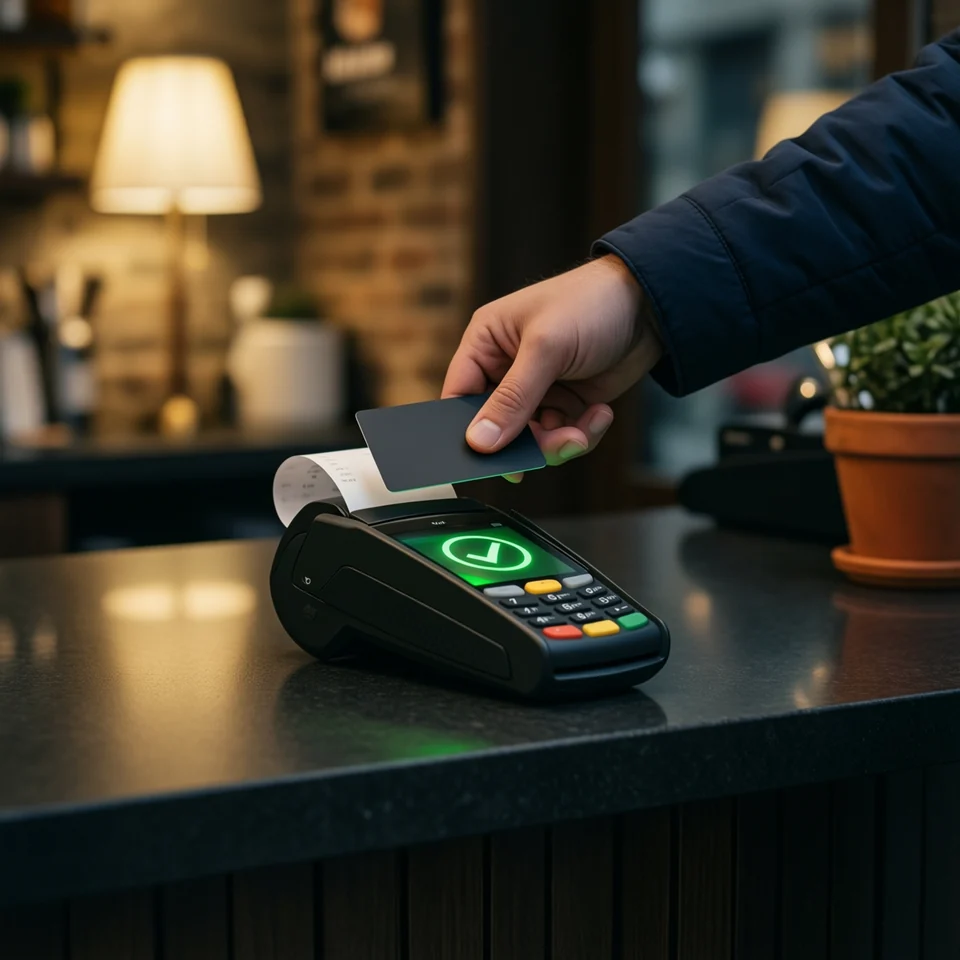
    Every order goes into the EPOS with its channel and is paid as in the venue.

    Read more

    Taking payment quickly and having it match the online orders

    Before

    A pizzeria receives orders by phone, through its website and through a delivery platform. When it closes, nobody knows which order was paid or through which channel.

    After

    Every order goes into the EPOS with its channel and is paid with the venue's ways of payment.

    How it removes it
    1. Orders from the website, the table and the platforms come in at the same place, with their channel.

    2. Each one is paid with your ways of payment and balances in your day's till.

    Every order paid and balanced, wherever it comes from.

    Letting customers see my menu on their phone and having my own website

    Before

    A tapas bar at peak time. Customers wait for the paper menu, foreigners can't understand it, and every price change means printing it again.

    After

    They scan the code on their table, see the menu in their language and order without waiting.

    How it removes it
    1. Every table has its QR code: it opens your menu on their phone, with nothing to download and in their language.

    2. They order from the table or at the kiosk, and the waiter accepts it with a tap.

    Your menu on the customer's phone, with no app.

Get found and get chosen

  • Professional website

    Menu, hours and photos up to date on your website, with a table booking button.

    Read more

    Having a website for my business

    Before

    A new restaurant only has Instagram, and anyone who wants to see the menu before going finds photos with no prices.

    After

    Its menu, its opening hours and its photos are up to date on its website, with the table booking button.

    How it removes it
    1. BAI designs your website with your brand, your services and your own domain.

    2. It connects it to your BAI space: your catalogue, your forms and your chat appear on it.

    Your business, with a website that speaks for you.

  • Search engine ranking

    Your menu, hours and address, in the form Google reads them.

    Read more

    Showing up higher on the internet and getting found

    Before

    A restaurant with good cooking shows up on Google with no opening hours or menu, and anyone looking for somewhere to eat nearby picks one with more detail.

    After

    Its menu, its opening hours and its address appear with the data Google uses to show the restaurant in more detail.

    How it removes it
    1. BAI checks your website the way Google sees it: pages it can't find, titles and speed.

    2. It fixes what holds it back and prepares a page per service, with its title and its description.

    Your website, prepared for what your area searches for.

  • Your Google Business Profile

    Thanks every five-star review the same day; a complaint arrives as a draft.

    Read more

    Knowing what my customers think and replying to reviews

    Before

    A restaurant with lots of reviews. The owner answers a few on Sundays, and a complaint about the wait has gone a month with no reply.

    After

    Every five-star review gets its thank-you the same day, and the complaint reaches them as a draft for them to check.

    How it removes it
    1. The reviews on your profile reach BAI, and artificial intelligence drafts each reply in your tone.

    2. The good ones are published by themselves if you allow it; the criticisms wait for you as a draft.

    No review without a reply, and you decide on the criticisms.

    See how it looks in your business
  • Content and social media

    Posts with a booking link, and which ones brought bookings.

    Read more

    Being on social media and running ads that bring in customers

    Before

    A tapas bar posts photos on Instagram when it remembers. It has followers, but doesn't know whether any post has filled a table.

    After

    Every post carries its link to book, and at the end of the month it sees which ones brought bookings.

    How it removes it
    1. Every post invites one thing only, booking, ordering or writing, with its link.

    2. The link says which post each visit comes from and how many bookings each one brought.

    Your social media, measured in full tables.

    See how it looks in your business
  • Campaigns that bring in customers

    A lunchtime menu with a local ad, a page and a QR on the table.

    Read more

    Filling the quiet days and getting more customers

    Before

    A restaurant full at the weekend and half empty from Tuesday to Thursday. It hands out leaflets and doesn't know whether anyone came because of them.

    After

    It launches a lunchtime menu with an ad in its area, a page and a QR on the table, and counts its bookings.

    How it removes it
    1. BAI prepares the offer, its ad for the people in your area and the page where people book.

    2. It's tested with a little, and only what brings bookings gets more budget.

    You fill the quiet days with a measured offer.

    See how it looks in your business

Get paid and stay compliant

  • Invoicing and getting paid

    A reminder with the invoice and payment link when due, firmer each time.

    Read more

    Getting paid by customers who don't pay or pay late

    Before

    A restaurant supplies a company's catering, and the invoice has gone two months unpaid; the manager can't find the time to chase it.

    After

    When it falls due, the company receives the reminder with the invoice and the link to pay, firmer each time.

    How it removes it
    1. When an invoice falls due unpaid, your customer receives a reminder with the invoice and the link to pay.

    2. If they pay by card, the payment is entered by itself and the reminders stop.

    You collect what you've already earned without calling anyone.

    See how it looks in your business
  • Team compliance

    Payslips with the season's overtime, and their cost in the expenses.

    Read more

    Calculating payroll and keeping the accounts without mistakes

    Before

    A restaurant with eight employees sends the overtime to the gestoría (an administrative agency) every month. The payslips take days and the owner writes the costs down by hand.

    After

    The payslips come out calculated with the season's overtime, and their cost goes into the expenses by itself.

    How it removes it
    1. Every month, each person's payslip comes out calculated: gross pay, tax withholding and Social Security.

    2. You add what changes that month and its cost goes into your expenses by itself.

    The month's payroll, calculated and in your accounts.

    See how it looks in your business
  • EPOS for hospitality

    The waiter taps dishes on their phone and each shows on the screen for its area.

    Read more

    Taking orders faster and without mistakes

    Before

    A restaurant with its kitchen in the basement. The waiter takes the paper order down, and the gluten-free note gets lost.

    After

    The waiter taps the dishes on their phone, and each one appears at once on the screen for its area.

    How it removes it
    1. The waiter enters each dish with a tap: how it's cooked, what to leave out and extras.

    2. Each dish goes at once to its area, kitchen, grill or bar, with its note.

    Not one dish lost between the dining room and the kitchen.

    Analysing the business with data and with artificial intelligence

    Before

    A restaurant always puts on four waiters. On Tuesdays two are surplus, on Saturdays there aren't enough, and a dish nobody orders stays on the menu.

    After

    The sales map shows it its quiet hours, the forecast what to prepare and the assistant with artificial intelligence, which dish to drop.

    How it removes it
    1. You see what you sell, dish by dish and hour by hour, and the average spend per table.

    2. The sales forecast tells you how much you'll sell and what to have ready.

    You decide the menu and the shifts with data, not by eye.

Automate your business

  • Ready-made automations

    A thank-you email after each booking that is kept.

    Read more

    Taking admin work off my plate and organising the business's processes

    Before

    A restaurant wants to say thank you after every booking and win back anyone who doesn't show up, but there's never time.

    After

    After each booking that's kept a thank-you email goes out; if the table doesn't show up, another proposes a new date.

    How it removes it
    1. You choose what starts it: a new customer, a completed appointment or a payment.

    2. You decide what happens: send an email, wait, tag or create a task.

    Write it once and stop remembering.

    See how it looks in your business
  • Custom automation

    An automation built for you: each group booking alerts the manager.

    Read more

    Going digital without knowing where to start or having the time

    Before

    A restaurant owner knows she loses hours on paperwork, but between service and the shopping she has no time to set anything up.

    After

    BAI builds her automation: every group booking alerts the manager and creates the task of confirming the menu.

    How it removes it
    1. You tell us what you do by hand every week and which tools you use.

    2. BAI designs and builds the automation; you decide when to switch it on.

    You carry on with the service; BAI builds your automation.

    See how it looks in your business

Paperwork in one click

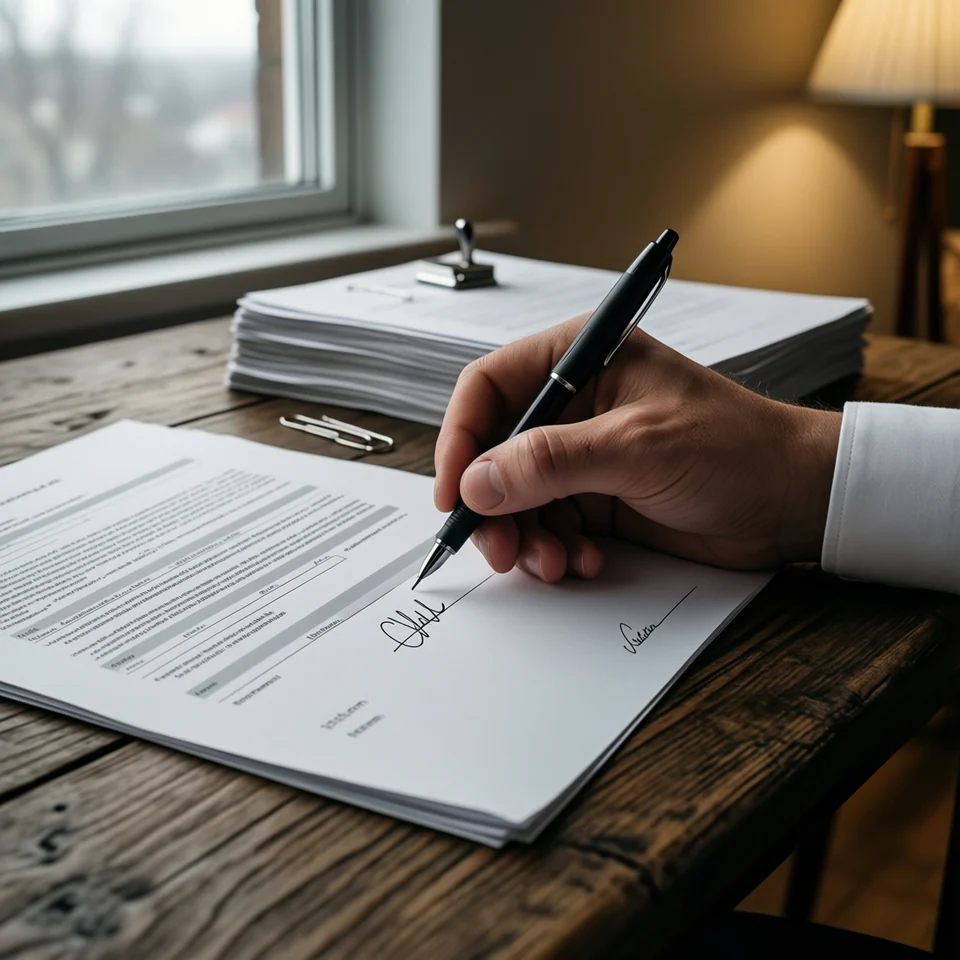
  • Documents and e-signatures

    A supplier's contracts and invoices in its record, from either venue.

    Read more

    Being able to work remotely and keep files in the cloud

    Before

    The owner of two restaurants keeps the supplier contracts on one computer, and from the other can't find them.

    After

    They open the supplier's record from either venue and their contracts and invoices are there.

    How it removes it
    1. Every document is saved in your BAI archive, linked to its customer, sale, product or expense.

    2. You open it from anywhere, with your BAI login.

    Your papers, to hand and in their place.

    See how it looks in your business

Your team, organised

  • Tasks and projects

    Each event is a task with its customer, and time measured from the phone.

    Read more

    Organising job sheets and my team's hours out on the road

    Before

    A caterer sets up events away from base and writes down on paper who worked on each one and how many hours.

    After

    Every event is a task with its customer, and each person measures their time from their phone.

    How it removes it
    1. Every call-out is a task linked to its customer, with its steps, its photos and its time measured.

    2. The job sheet comes out with the customer's details and is signed when the job is done.

    Every job with its sheet and its hours, without paper.

    See how it looks in your business
  • AI assistant

    Ask the restaurant's assistant: it works with your data and your rules.

    Read more

    Using artificial intelligence in my business without risking my customers' data

    Before

    A restaurant manager pastes the booking list, with its phone numbers, into a free chat to sort it out.

    After

    They ask the restaurant's assistant, inside BAI, which works with its data and its rules.

    How it removes it
    1. The assistant answers with your business's data and documents, with the rigour you set.

    2. Before changing anything it shows you what it will do, and you switch the artificial intelligence off whenever you like.

    Artificial intelligence in your business, on your terms.

    See how it looks in your business

Your stock and your products

  • Connected online shop

    Cakes and boxes of sweets on your website: customers choose and pay, you bake.

    Read more

    Selling online with an online shop

    Before

    A cake shop sells made-to-order cakes on WhatsApp, and each cake takes twenty messages before the order is closed.

    After

    It sells cakes and boxes of sweets from its website: the customer chooses, pays and the cake shop only bakes.

    How it removes it
    1. Your website shows your real catalogue, with photo, price and a page per product.

    2. The customer fills the basket and buys on your website, with the VAT of each product.

    Your website sells at all hours, without anyone answering messages.

    See how it looks in your business
  • Stock and inventory

    Napkins, cleaning and uniforms with a minimum, alerted before they run out.

    Read more

    Controlling stock and purchases from suppliers

    Before

    A restaurant runs out of napkins on a Saturday night; nobody saw there was one packet left.

    After

    Napkins, cleaning products and uniforms carry their minimum, and the alert goes out before they run out.

    How it removes it
    1. You set the minimum for each product you track.

    2. When it drops below, the alert goes out and you see in a list what to reorder.

    You find out before you run out.

    See how it looks in your business
  • Recipe costing and stock

    What each dish costs, with its waste, and how much it really leaves you.

    Read more

    Controlling costs, recipe costing and knowing how much I earn

    Before

    A set-menu restaurant thinks its rice dish leaves a good margin, but has never worked it out. It puts a price up without knowing whether it gains or loses by it.

    After

    It sees what each dish costs, with its waste, and how much it really leaves.

    How it removes it
    1. Every dish carries its recipe: the quantity of each ingredient and what's lost in preparing it.

    2. With the price on each delivery note, you see what each dish costs and how much it leaves.

    You know how much each dish leaves you, not how much you think.

    Controlling stock and purchases from suppliers

    Before

    The manager orders the produce by phone every Monday, from memory. Nobody knows what price the fish came in at last week.

    After

    Every delivery note adds to the stock with its price, and the order goes out from the same place.

    How it removes it
    1. Every delivery note that arrives adds its goods to the stock, with its supplier, its price and its purchase VAT.

    2. You place the order with the supplier from the same screen, seeing what's left.

    You order from the supplier with data, not by eye.

A restaurant's questions

Do I need to buy equipment?

No. Any phone or tablet becomes the screen for an area with a code, and the order can also print out; your card machine still works.

Where do I start with my restaurant?

First. The platform: EPOS, orders, bookings and pantry. Then. The Google Business Profile and the website with the menu and the booking button; then, the search ranking. Why this order. The venue works from the inside first; the Google Business Profile is where people looking for a table search.

Solutions restaurants use most

Ask for a demo with your own case

Book my call